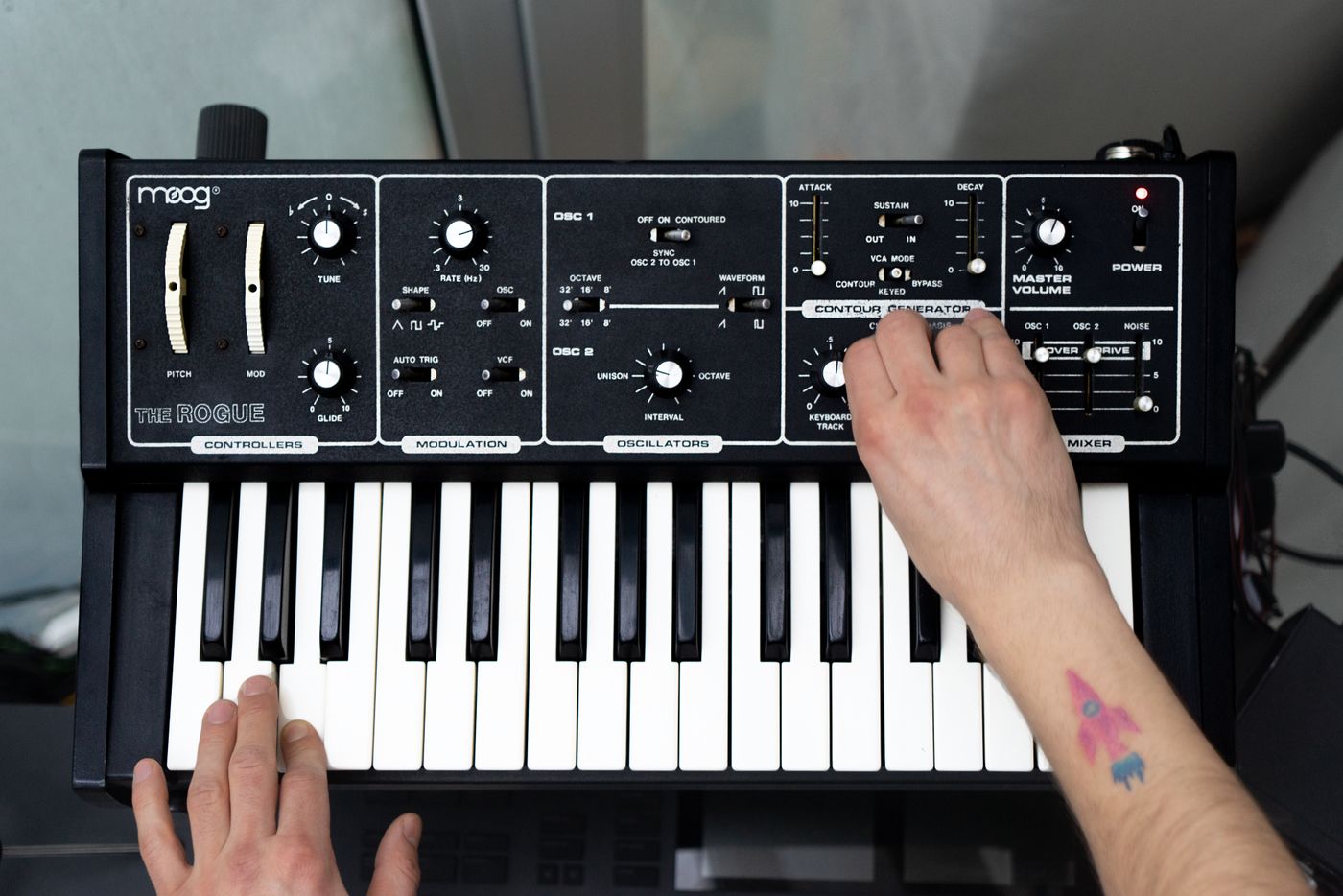
A retro texture is easier to describe through the instruments than through a decade alone. Choose the bass motion, drum character and lead sound, then decide how broad the chorus should become. These synthwave prompts range from quiet electronic songs to brighter instrumentals without borrowing a film theme or a named artist.
Starting points in this collection
| Example tempo targets | 88 to 122 BPM |
|---|---|
| Original examples | 10 |
| Before making a recording | Choose the language and vocal or instrumental setting, then review the full brief. Tempo numbers are requests, not measured results. |
Prompts to copy and adapt
These are original directions to try, not recordings or verified performance results. Copy the sound description, then add your own story or lyrics. Use this idea carries the full selected brief into our main composer for review after sign-in.
Exit sign melody
Synthwave, 104 BPM. Instrumental only. A pulsing analog-style bass, tight electronic kick and broad snare. Let a bright synth lead state a short original melody. Keep the chords quieter and return to the lead for a clear ending. Give the main motif a clear foreground position, with answering phrases in the spaces between its statements. Keep the lower register uncluttered, and let changes in accompaniment mark the sections without adding a competing lead melody.
Your side of town
Synthwave, 96 BPM. Soft synth chords, a simple arpeggiated bass and restrained electronic drums. Keep the lead close in the verse, then add one high harmony across the chorus. Avoid a long cinematic introduction. Leave a short breath after each complete lyric phrase, and put instrumental replies in those gaps. Keep the lead clear when the accompaniment fills out; let the bass support the harmony without following every vocal note.
Afterimage
Synthwave, 112 BPM. Instrumental only. A glassy keyboard motif above steady synth bass and crisp drums. Add a sustained guitar answer in the second half without replacing the original tune. Finish with the keyboard motif alone. Give the main motif a clear foreground position, with answering phrases in the spaces between its statements. Keep the lower register uncluttered, and let changes in accompaniment mark the sections without adding a competing lead melody.
The late arcade
Synthwave, 118 BPM. A firm electronic pulse, bright chord stabs and a short synth hook. Use a direct lead melody with a compact chorus. Keep the verse lighter so the hook has room to return. Leave a short breath after each complete lyric phrase, and put instrumental replies in those gaps. Keep the lead clear when the accompaniment fills out; let the bass support the harmony without following every vocal note.
Quiet highway lights
Synthwave, 88 BPM. Instrumental only. Slow arpeggiated synth notes, soft bass and a restrained snare with a short ambient tail. Keep the lead melody low and spacious. End by removing the drums before the last chord. Give the main motif a clear foreground position, with answering phrases in the spaces between its statements. Keep the lower register uncluttered, and let changes in accompaniment mark the sections without adding a competing lead melody.
One more signal
Synthwave, 108 BPM. A warm mid-register singer over pulsing bass and broad synth chords. Let the chorus gain a higher countermelody rather than more percussion. Use a brief instrumental break before the final line. Leave a short breath after each complete lyric phrase, and put instrumental replies in those gaps. Keep the lead clear when the accompaniment fills out; let the bass support the harmony without following every vocal note.
Silver staircase
Synthwave, 122 BPM. Instrumental only. A repeated rising synth figure over a steady bass sequence and tight electronic drums. Let the harmony shift below the same figure. Keep the final return compact and avoid an extended solo. Give the main motif a clear foreground position, with answering phrases in the spaces between its statements. Keep the lower register uncluttered, and let changes in accompaniment mark the sections without adding a competing lead melody.
Yesterday's map
Synthwave, 92 BPM. A close lead, muted electronic drums and soft keyboard chords. Use a small plucked synth answer between vocal lines. Let the final chorus broaden, then return to the quiet opening sound. Leave a short breath after each complete lyric phrase, and put instrumental replies in those gaps. Keep the lead clear when the accompaniment fills out; let the bass support the harmony without following every vocal note.
Exit sign melody: Answering phrases
Synthwave, 104 BPM. Instrumental only. A pulsing analog-style bass, tight electronic kick and broad snare. Build the arrangement around a question-and-answer pattern. State one short lead phrase, leave space for an instrumental reply, then repeat the exchange with a different ending. Let the middle section thin to the main accompaniment before the full texture returns. Keep the final answer shorter than the earlier ones and resolve it clearly.
Afterimage: A different harmony
Synthwave, 112 BPM. Instrumental only. A glassy keyboard motif above steady synth bass and crisp drums. Keep the main phrase recognizable through three passes. Start with a narrow accompaniment, change the chord underneath the phrase on its second appearance, then return to the first harmony with a small answering line above it. Keep the underlying pulse steady through the changes. Finish by removing that answering line, leaving the original phrase exposed.
Keep the words and sound separate
In Words into Music, put the words you want sung in the lyrics field and describe instruments and delivery in the sound direction. The music prompt generator helps you prepare that direction before making a song.
For Suno, Custom mode keeps your lyrics separate from the style request. Use the same sound description as a starting point, then adjust it for each tool.
Choose an instrument for the hook
A bright saw-like lead, a glassy keyboard or a simple guitar line will suggest different arrangements. Pick one to carry the main tune and let the other sounds support it. A prompt with several competing lead instruments may lose the small phrase that made the idea memorable.
Keep the retro texture selective
A broad snare ambience can work against a tighter kick and bass. You do not need to make every instrument distant or saturated. For a vocal song, ask for clear words and use the wider synth textures around the chorus instead of covering the whole verse.
Common mistakes and useful revisions
| What to listen for | What to change in the prompt |
|---|---|
| Every sound has a long reverb tail | Keep bass and kick focused and save the wider ambience for a lead or snare. |
| The reference becomes an imitation of a famous theme | Describe an original melody, synth character and arrangement rather than a specific recording. |
Frequently asked questions
Can synthwave include guitar?
Yes. Give the guitar a clear role such as a short answering melody or sustained chords. Keep it separate from the main synth hook if both are present.
Does synthwave need a fast tempo?
No. The examples include slower vocal songs and more driving instrumentals. Choose a pace that supports your melody rather than treating the style as one fixed tempo.
How do I make a synthwave prompt feel nostalgic without copying a soundtrack?
Describe the synth tone, drum ambience and recurring melody you want. Use an original scene or mood instead of naming a film theme to recreate.