Gospel lyrics generator
Write gospel lyrics around a clear message, a congregational refrain or a personal testimony. Choose the language and shape an editable draft.
How it works
How to use: Gospel lyrics generator
- 01
Identify your core message
Enter a specific prompt describing the theme of your song. Instead of broad concepts, try describing a specific event or a feeling of gratitude. This helps the generator produce grounded lyrics that resonate with a congregation rather than generic phrases disconnected from your actual experience.
- 02
Select a structural style
Choose between a congregational refrain, a personal testimony, or a choir call and response. Each style changes the organization of the text. A refrain focuses on a repeatable hook, while a testimony allows for a narrative arc. Call and response creates a dialogue between the leader and group.
- 03
Refine and export your lyrics
Read the draft with your singers and change words that are awkward to pronounce or breathe through. Copy the edited text into your notes, or use Make a song to open the separate recording flow. That recording uses your normal account song credits.
Songwriting tools
Drafting gospel lyrics for choirs and soloists
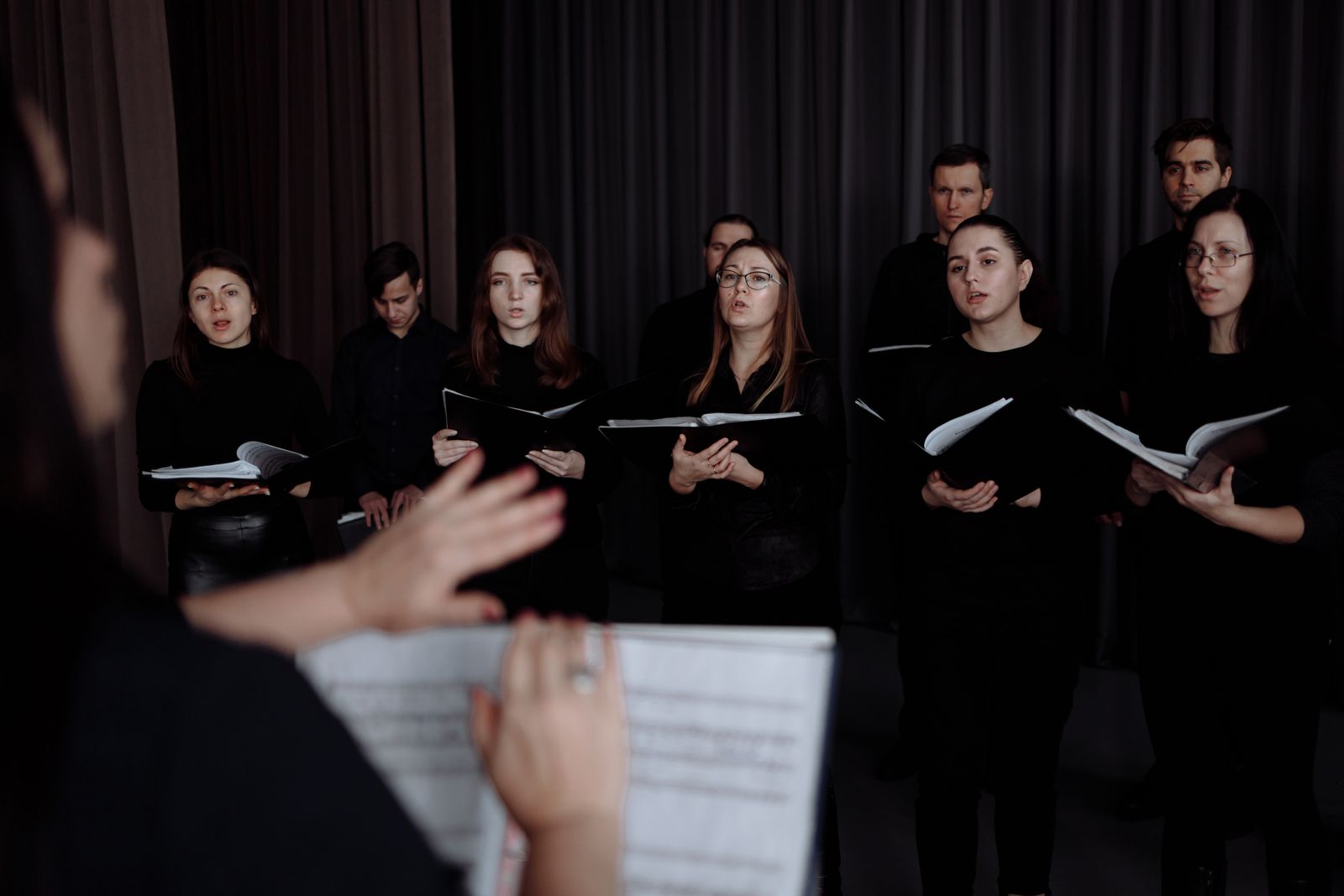
A choir response needs to be clear when someone hears it for the first time. Start with the thought you want the group to answer, then give the lead voice a specific event to describe. For a personal testimony, explain who is speaking and what changed. For a congregational refrain, keep the message short enough to repeat without reading a whole paragraph. This gospel lyrics generator gives you an editable starting point in your selected language. It does not decide theology for you or verify scripture. Read the words with your singers, check any references and change phrases that do not belong in your community.
Sunday service preparation
Use the tool to draft a new congregational song that aligns with a specific sermon topic. By inputting the main themes of the message, you can generate a refrain that is easy for the congregation to learn and repeat during the service, reinforcing the day's teaching through music.
Community outreach events
For a fundraiser or a gathering, explain who is singing to whom. A song thanking volunteers might name the work they did; a shared refrain might focus on why the group came together. Ask permission before including another person's private story.
Personal testimony development
Transform your personal experiences into a structured song format. The personal testimony style helps you organize your thoughts into a narrative that moves from a challenge to a resolution. This is particularly useful for soloists who want to share their journey through a musical performance or recording.
An example to work from
The open door
The brief
A community choir thanking the neighbours who opened their homes after a flood. A hopeful refrain everyone can answer. No invented Bible quotations.
This illustrative lyric uses a table, dry blankets and soup to make the thank-you specific. The refrain brings the group back to gratitude. Check that the faith language and details fit the people who will sing it.
Try your own ideaIllustrative writing example
[Verse]
You moved the table from the hall
And laid dry blankets by the wall
We brought the children through the rain
You warmed the soup and asked our names

[Chorus]
For every place made at the table
For every neighbour standing near
We thank you, God, for willing hands
And all the people gathered here
Make it your own
The next edit matters.
Prioritize the hook
Try the refrain with someone who has not read the verse. Can they answer it after hearing it once or twice? If the sentence is hard to remember, shorten it without changing the message. Keep the response the same when the chorus returns.
Balance the narrative
For a testimony, describe what happened before explaining what it meant. A meal brought to the door gives the listener something to picture. Read the draft for invented events and keep only details you can honestly put in the narrator's voice.
Check for natural flow
Sing the refrain at a comfortable pace and mark where the group needs to breathe. There is no single gospel metre to match. Shorten crowded lines and keep a response consistent enough for people to recognise when it returns.
Keep writing
Write a clear verse and refrain
Follow an original songwriting example, then work through your own idea, verse and chorus.
A little help
Questions about this tool?
Something else on your mind?
Ask us about writing a draft or turning your words into a song.
Can I write a gospel song for a choir?
Yes. Describe the lead voice, the response you want the choir to sing and the message of the gathering. Short answers are easier for a group to pick up than a long, changing refrain.
Can I include scripture in the brief?
You can include a passage you want to work from. Check the wording and reference against your chosen translation; generated lines should never be treated as scripture.
How do I make a testimony feel personal?
Give the narrator one event and a concrete action, such as a neighbour bringing a meal. Keep details you are comfortable sharing and remove anything the tool invents.
Will the tool create choir audio?
This page writes editable lyrics. Make a song can carry the draft into the separate recording tool, which uses the normal account song credits and does not guarantee separate choir parts.
Can I choose a language for the gospel lyrics?
Yes. Choose English, Spanish, German, French or Brazilian Portuguese. Review the phrasing with the people who will sing it, especially any theological terms.
Does writing a draft use a song credit?
No. Writing has its own shared usage limits. A recording uses a song credit; eligible new accounts receive one free song in total across the site.