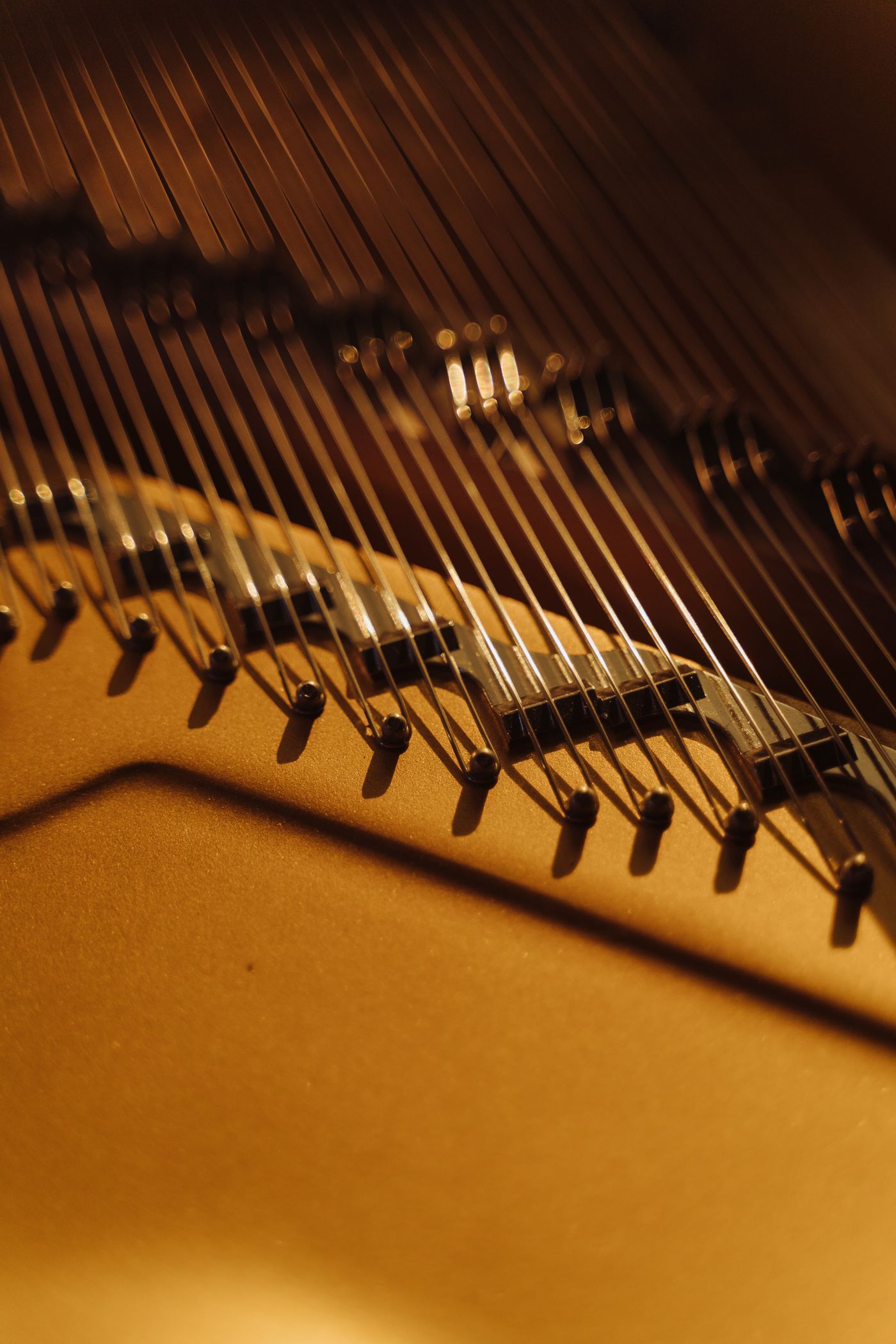
Quiet music still needs decisions. Choose the sound nearest to the listener, what moves behind it and how the piece should end. These ambient prompts use sparse melodies, sustained tones and deliberate transitions. Some have a soft pulse; others avoid percussion entirely. None depends on a promise of sleep, focus or therapeutic effects.
Starting points in this collection
| Example tempo targets | 56 to 72 BPM |
|---|---|
| Original examples | 10 |
| Before making a recording | Choose the language and vocal or instrumental setting, then review the full brief. Tempo numbers are requests, not measured results. |
Prompts to copy and adapt
These are original directions to try, not recordings or verified performance results. Copy the sound description, then add your own story or lyrics. Use this idea carries the full selected brief into our main composer for review after sign-in.
A room slowly brightens
Ambient, 60 BPM. Instrumental only. No drums or voices. Sparse close piano notes above a distant soft pad. Let a higher sustained tone enter halfway through, then remove the pad so the final piano note remains clear. Give the main motif a clear foreground position, with answering phrases in the spaces between its statements. Keep the lower register uncluttered, and let changes in accompaniment mark the sections without adding a competing lead melody.
Floating interval
Ambient, 64 BPM. Instrumental only. Two soft synth tones move slowly over a low sustained note. Use no percussion, choir or humming. Let the upper interval widen once before returning to the original spacing. Give the main motif a clear foreground position, with answering phrases in the spaces between its statements. Keep the lower register uncluttered, and let changes in accompaniment mark the sections without adding a competing lead melody.
Still water pulse
Ambient, 72 BPM. Instrumental only. A very soft low pulse beneath long guitar tones and a thin upper pad. Keep the guitar distinct from the reverberant background. End by removing the pulse before the last tone. Give the main motif a clear foreground position, with answering phrases in the spaces between its statements. Keep the lower register uncluttered, and let changes in accompaniment mark the sections without adding a competing lead melody.
Paper lantern room
Ambient, 56 BPM. Instrumental only. Quiet piano notes, soft bowed-string texture and no drums. Leave long gaps between the piano phrases. Introduce one higher answering note near the end without a broad orchestral swell. Give the main motif a clear foreground position, with answering phrases in the spaces between its statements. Keep the lower register uncluttered, and let changes in accompaniment mark the sections without adding a competing lead melody.
Edges of a cloud
Ambient, 68 BPM. Instrumental only. A soft filtered synth bed with a few clear bell notes. No percussion or vocal-like sounds. Move the bell phrase to a lower register for the middle passage, then return higher. Give the main motif a clear foreground position, with answering phrases in the spaces between its statements. Keep the lower register uncluttered, and let changes in accompaniment mark the sections without adding a competing lead melody.
The distant doorway
Ambient, 62 BPM. Instrumental only. Close clean-guitar harmonics above a restrained pad and a low held tone. Avoid environmental sound effects. Keep each phrase separated by silence and finish with the guitar alone. Give the main motif a clear foreground position, with answering phrases in the spaces between its statements. Keep the lower register uncluttered, and let changes in accompaniment mark the sections without adding a competing lead melody.
Slow turning light
Ambient, 70 BPM. Instrumental only. A quiet repeating keyboard figure under smooth sustained synth chords. No hard drum attacks or voices. Change one chord late, then thin the texture to the original keyboard pattern. Give the main motif a clear foreground position, with answering phrases in the spaces between its statements. Keep the lower register uncluttered, and let changes in accompaniment mark the sections without adding a competing lead melody.
Last color fading
Ambient, 58 BPM. Instrumental only. Soft piano and a low string tone with no percussion. Keep the melody to short separated phrases. Let the upper texture leave first, then resolve the piano before the low tone ends. Give the main motif a clear foreground position, with answering phrases in the spaces between its statements. Keep the lower register uncluttered, and let changes in accompaniment mark the sections without adding a competing lead melody.
A room slowly brightens: Answering phrases
Ambient, 60 BPM. Instrumental only. No drums or voices. Build the arrangement around a question-and-answer pattern. State one short lead phrase, leave space for an instrumental reply, then repeat the exchange with a different ending. Let the middle section thin to the main accompaniment before the full texture returns. Keep the final answer shorter than the earlier ones and resolve it clearly.
Still water pulse: A different harmony
Ambient, 72 BPM. Instrumental only. A very soft low pulse beneath long guitar tones and a thin upper pad. Keep the main phrase recognizable through three passes. Start with a narrow accompaniment, change the chord underneath the phrase on its second appearance, then return to the first harmony with a small answering line above it. Keep the underlying pulse steady through the changes. Finish by removing that answering line, leaving the original phrase exposed.
Keep the words and sound separate
In Words into Music, put the words you want sung in the lyrics field and describe instruments and delivery in the sound direction. The music prompt generator helps you prepare that direction before making a song.
For Suno, Custom mode keeps your lyrics separate from the style request. Use the same sound description as a starting point, then adjust it for each tool.
Name the foreground and the distance
A close piano note above a distant pad creates a different space from a blurred piano inside a dense texture. Say which sound should remain distinct. Long reverb tails can overlap, so fewer notes may communicate the idea better than adding more layers.
Give the texture a direction
Ask for a slow register change, a new upper tone or the removal of a layer near the ending. Ambient does not have to mean a static chord for the whole recording. A small planned change gives the listener a way to hear development without requiring a drum build.
Common mistakes and useful revisions
| What to listen for | What to change in the prompt |
|---|---|
| The result becomes a vocal-like choir | Request instrumental only with no humming, choir or vocal-like pads. |
| Every note has a long overlapping tail | Keep one foreground instrument close and leave larger gaps between its notes. |
Frequently asked questions
Does ambient always mean no drums?
No. You can include a quiet pulse or leave percussion out. State which you want so the model does not have to infer it from the genre label.
Can I ask for an exact tuning or healing frequency?
A text prompt does not verify tuning or provide a health effect. If a frequency matters to your work, measure the output independently rather than treating the label as proof.
How do I make ambient music change without a strong beat?
Describe slow shifts in harmony, register or instrumental layers. Give one texture a gradual entrance and another a gradual exit rather than requesting abrupt section changes.