An AI artist is a music project described as using artificial intelligence in its sound, public identity or both. The phrase can refer to a synthetic singer, a fictional act releasing generated tracks, or a human musician working with AI instruments. It does not explain who wrote a song or which decisions a person made.
This guide looks at documented examples and a way to check the people and processes behind them. Sources were reviewed on October 23, 2026. The examples illustrate different approaches, rather than ranking artists by popularity or claiming a complete list of AI acts.
Start with the identity, voice and song
Separate three questions when you encounter a new project. Who does its public name represent? How was the vocal performance made? Who created the lyrics, melody and arrangement? You can know the answer to one and still have little evidence about the others.
A fictional name might represent an openly documented creative project. A real songwriter might release generated vocals under a character name. A singer's public appearance could be human while the production includes synthetic instruments. Each deserves a more precise description than "the AI did everything."
| Kind of project | What to look for | What the presentation alone cannot prove |
|---|---|---|
| Generated singer with a fictional identity | Creator statements and recording credits | Who wrote every lyric or produced every sound |
| Human artist using an AI voice instrument | The artist's explanation and permission terms | That all uses of other voices are authorized |
| Virtual singing character | The voice-library documentation and song credits | That the song was generated automatically |
| AI-assisted recording under an artist name | Track-specific evidence and contributor information | The complete identity of everyone operating the project |
Xania Monet and a named songwriter
In a CBS Mornings interview aired November 5, 2025, Telisha "Nikki" Jones discussed creating Xania Monet. The interview identifies a real writer behind the project and describes her attachment to the lyrics. That is more useful evidence about authorship than a realistic artist portrait alone.
Keep the scope of the statement clear. Knowing who discussed writing the words does not establish how every part of every recording was produced. It also does not tell you the rights attached to another person's use of those tracks. Credits and release terms remain separate questions.
For a listener, the interesting distinction is between the presented singer and the person making creative decisions. For someone planning a project, it is a reminder to document original writing instead of allowing the public character to obscure who contributed what.
Breaking Rust and track-specific evidence
Billboard's November 3, 2025 Country Update described Breaking Rust's "Walk My Walk" as AI-assisted and recorded its number-one position on Country Digital Song Sales. That is evidence tied to one recording and one sales chart.
It is not a complete account of the project's production or the identity of everyone involved. Avoid taking a creator name circulating online and presenting it as an independently verified biography without supporting evidence. A credit is useful information, but it does not explain a whole business or production process.
Our AI songs on the charts guide keeps the chart names and dates explicit. A genre download ranking, an airplay debut and an overall singles position measure different things. They should not be combined into one unsupported claim that a project dominates music listening.
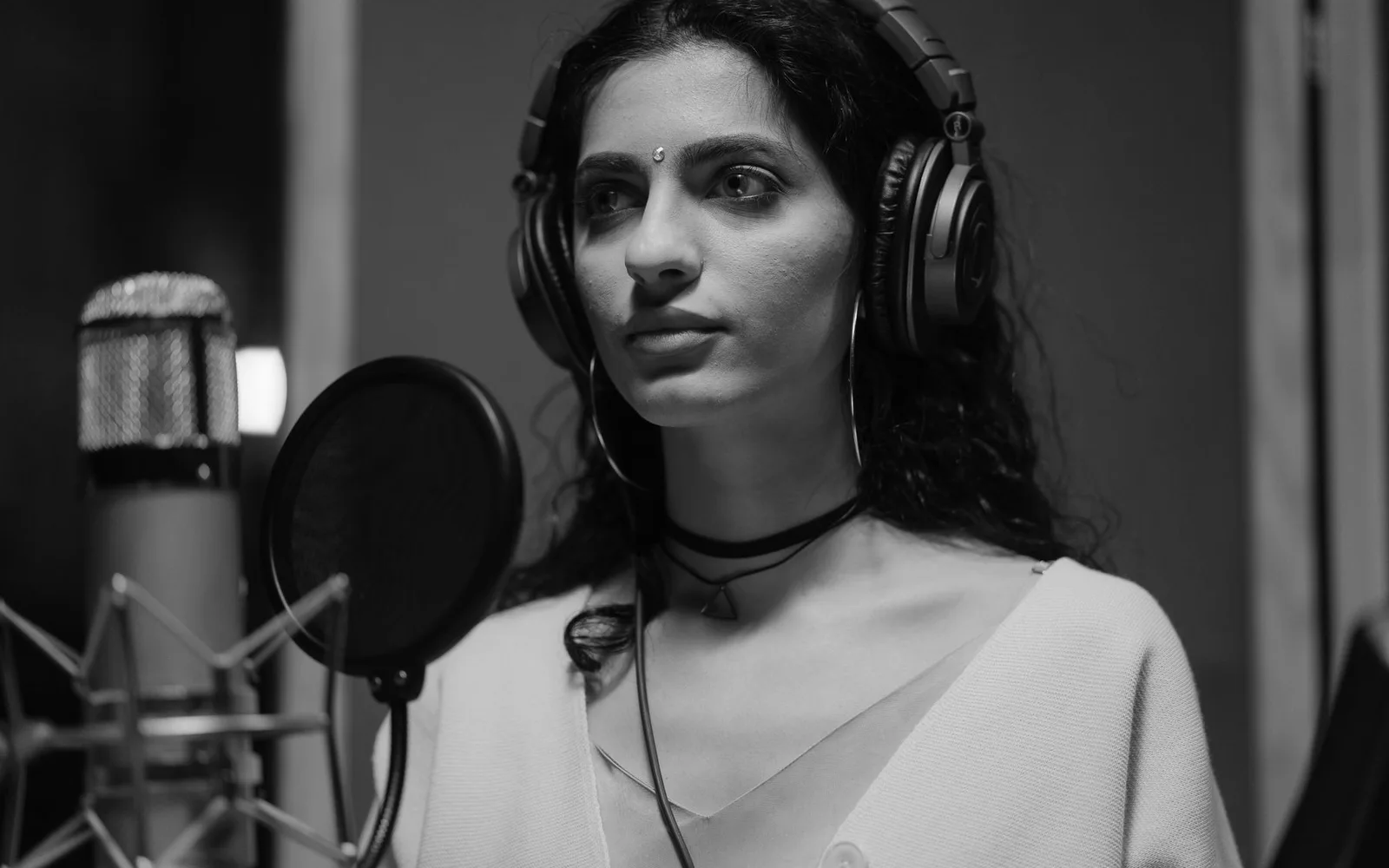
Holly Herndon and an artist-led voice instrument
Holly Herndon's own introduction to Holly+ describes a project built around her digital vocal likeness. In her 2022 TED demonstration, a performer demonstrates an instrument that transforms a vocal performance into her voice.
This is an example of a human artist working deliberately with synthetic voice technology. Describing it simply as a fictitious singer would lose the central fact that the artist herself is part of the project. It also shows why permission matters when discussing a recognizable voice.
A specific artist-led experiment does not authorize the use of any other performer's identity. If a voice tool interests you, read its current conditions and verify who has authorized the proposed use. Historical demonstrations explain an idea; they do not guarantee that an old tool, upload route or commercial arrangement is still available today.
Hatsune Miku and the virtual-singer distinction
Crypton's Hatsune Miku product documentation describes a singing voice library and credits voice material to Saki Fujita. Its examples identify song creators. The character, voice software and people writing music are distinct parts of the work.
That makes Miku a useful comparison when people use "virtual singer" and "AI artist" as if they always mean the same thing. A character image does not establish that a song's lyrics and melody were generated automatically. Look at the actual product and recording rather than guessing from the artwork.
The same habit helps with newer projects. Ask what the software contributes and what its user supplies. Entering a melody, performing a vocal, writing lyrics and selecting a finished generated recording are different contributions, even if the audience encounters them under one artist name.
Read credits before interpreting the portrait
Start with the artist's own explanation, then inspect the release credits and any label or distributor information. Look for agreement between the biography, the recording description and the contributor names. If the available sources do not explain the workflow, keep that uncertainty visible.
A realistic image is weak evidence of a real singer. A deliberately drawn avatar is also weak evidence that the music is synthetic. Treat both as a presentation choice until you have information about the recording. Avoid publicly labeling an unfamiliar performer as fake because the profile has little history.
You can listen for unusual pronunciation, abrupt changes in a vocal or implausibly uniform performances, but those observations are not a reliable identity test. Compression, editing and stylistic choices can also affect what you hear. Our guide to identifying AI-generated songs explains how to use those clues without turning them into certainty.
Understand identity labels and creative credits
Spotify's AI Persona guidance concerns an AI-generated photorealistic artist identity. A badge does not establish that every element of a track was generated. Separately, AI credits describe disclosed contributions to individual roles in a recording.
For your own release, prepare those descriptions separately. An identity statement should explain whom the profile represents. A production statement should explain the relevant writing, performance and generation work. Neither should promise permission or ownership that the release documents do not support.
Our Spotify badge guide explains how to read those platform signals. Use the current account guidance before changing a profile setting, particularly when a choice cannot be reversed without support.
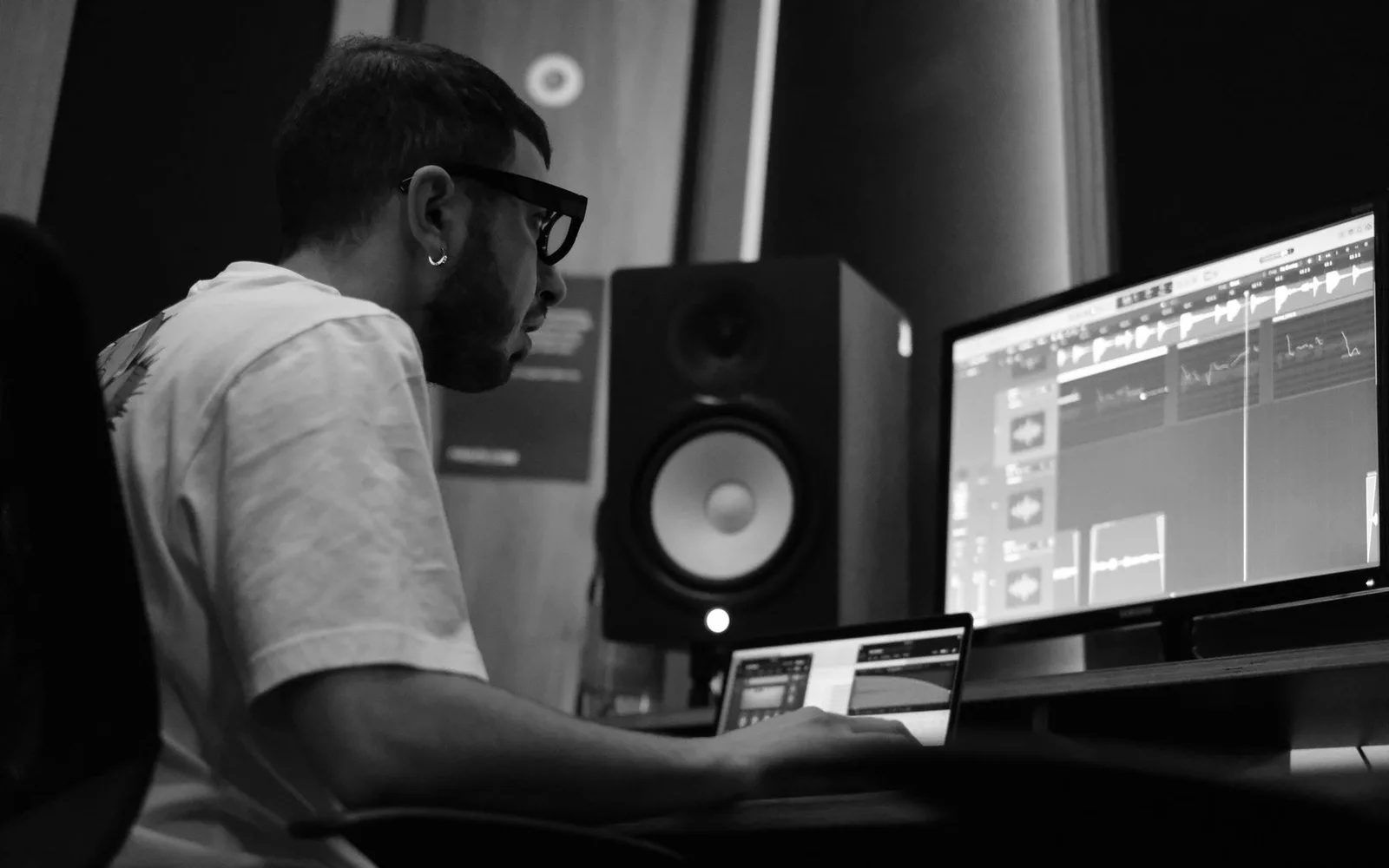
Build a music project around decisions you can explain
If you want to create your own songs, start with the writing and sound. Decide what the song is about, which details belong in the lyrics and how the arrangement should feel. Keep drafts and note the contributions of anyone helping you. That makes future credit and permission questions easier to answer.
Write a short description of the public project before creating profile artwork. It might be your own songwriting name, a clearly fictional act or another honest presentation. Make sure that description matches how you plan to introduce the music. A striking image should not carry a biography that you cannot substantiate.
In Words into Music, you can bring original lyrics or a song idea, choose a sound and review the resulting recording. The music prompt generator can help express the musical direction. Creating a song does not create a streaming identity or settle the requirements for releasing it commercially.
Evaluate a song beyond the AI label
Once you understand the available evidence, listen to the work itself. Does the lyric say something specific? Does the performance fit it? Is the arrangement coherent, and does the track end cleanly? Those are useful musical questions whether the project uses traditional instruments, synthesis or generated audio.
Keep success claims equally concrete. A streaming total, a chart position and a reported contract value describe different things. None alone tells you what a new creator can expect to earn. For release planning, check the current commercial-use considerations and build from the recording and permissions you actually have.
Frequently asked questions
Does AI artist mean there is no person behind the music?
No. People can write lyrics, design a character, choose performances, edit recordings and manage a release. Find out which decisions are documented rather than assuming that either every part or no part of the process involved human work.
Is every virtual singer an AI-generated artist?
No. A character can front music written and performed by people, and singing synthesis can be used with human-entered lyrics and melody. A virtual image alone does not explain how a particular recording was made.
Can I identify an AI artist just by listening?
Listening may raise questions, but it does not reliably establish the artist's identity or production process. Combine any observations with credits, creator statements and platform disclosures. Treat unexplained gaps as uncertainty rather than proof.
Does a chart appearance prove that an AI artist can be monetized everywhere?
No. A documented chart result concerns a particular recording, ranking and date. Copyright, distributor acceptance, platform rules and current chart eligibility still need checking for a new release.
Can Words into Music create and manage an artist persona for me?
It creates downloadable songs from text and lyrics. It does not create an artist account, manage a fictional identity, distribute music or promise listeners or revenue. You make those release and presentation decisions separately.