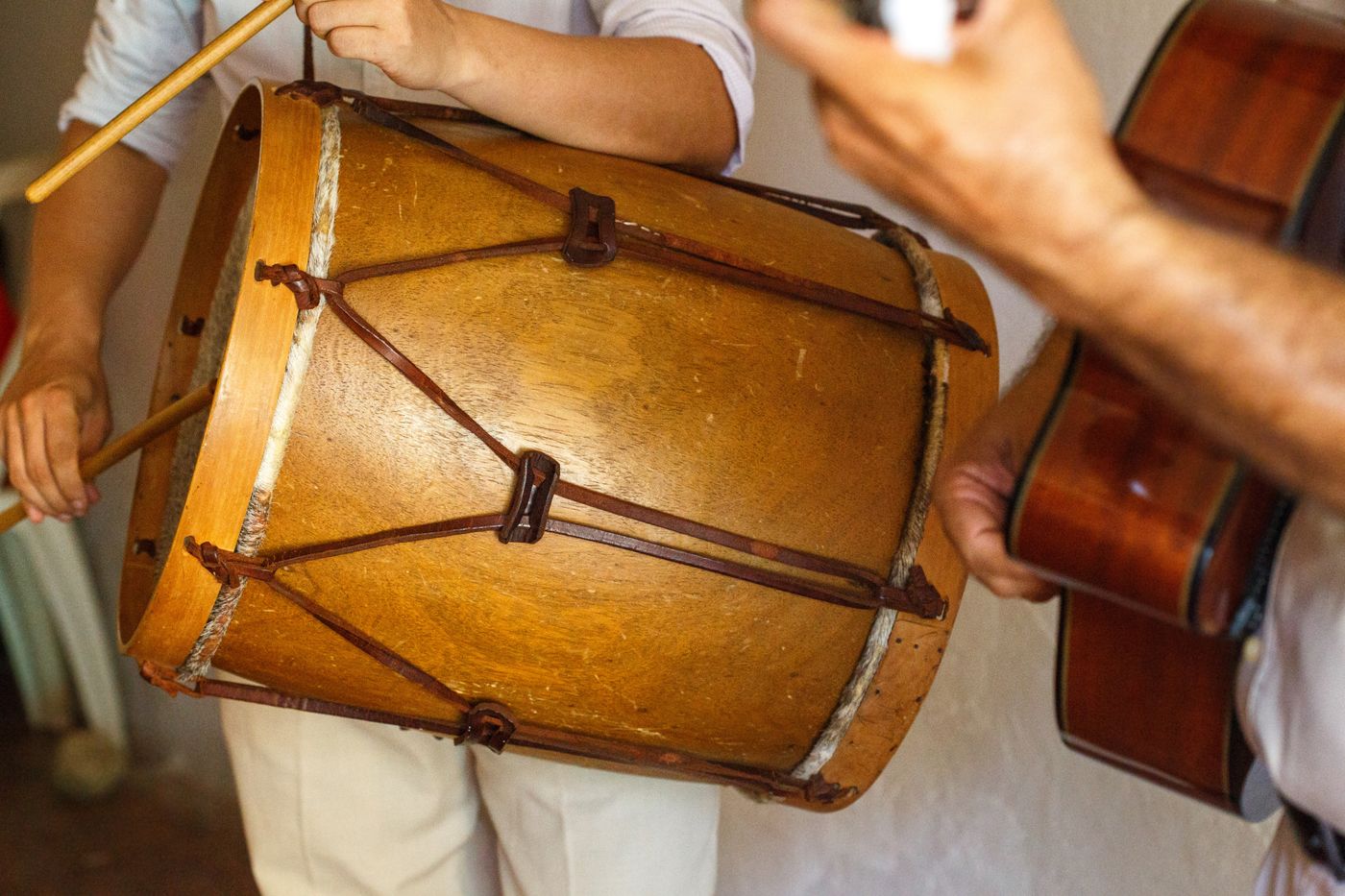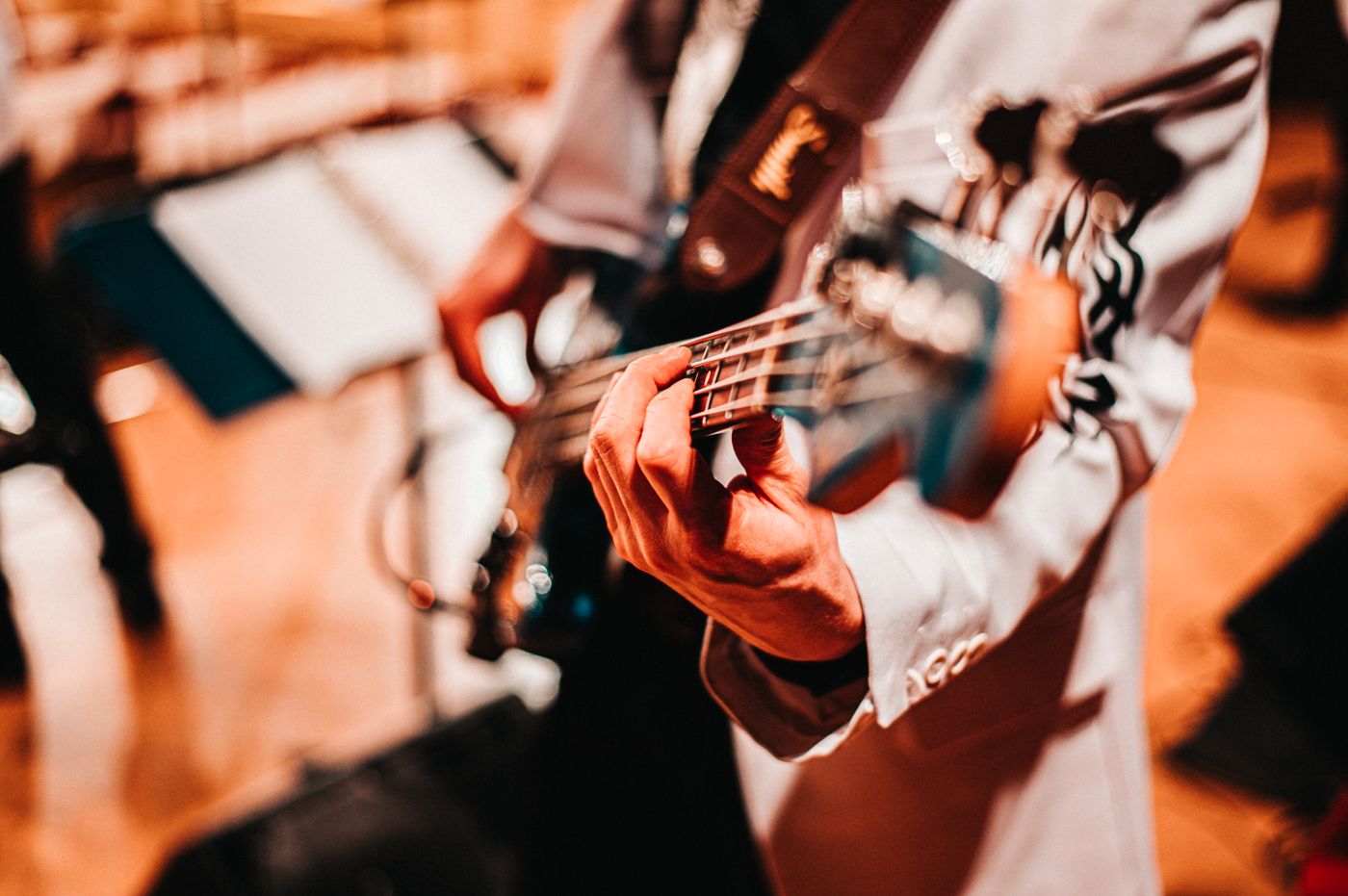
Reggae prompts become more useful when they describe the relationship between the drums, bass and offbeat chords. A roots arrangement can leave the first beat open, while a steppers groove can keep the kick on every beat. Dub creates space through selective echoes and missing parts; a digital dancehall idea uses a different rhythmic setting again. These ten examples separate those choices instead of treating reggae as a single relaxed sound. Choose a groove first, then decide whether the voice, organ, horns or bass carries the main phrase.
Starting points in this collection
| Example tempo targets | 70 to 96 BPM |
|---|---|
| Original examples | 10 |
| Before making a recording | Choose the language and vocal or instrumental setting, then review the full brief. Tempo numbers are requests, not measured results. |
Prompts to copy and adapt
These are original directions to try, not recordings or verified performance results. Copy the sound description, then add your own story or lyrics. Use this idea carries the full selected brief into our main composer for review after sign-in.
A roots groove with space for words
Roots reggae, 76 BPM. Put the kick and a dry rim accent together on beat three of each four-beat bar, leaving beat one open. Play short clean-guitar chords on the offbeats above a warm, melodic bass line. Let an organ supply quiet rhythmic movement without covering the singer. Use a close solo lead and a short original refrain. Keep the guitar clipped when the bass moves, then end on a shared bass-and-organ cadence.
An organ echo above a dry bass
Dub reggae, 70 BPM. Instrumental only. Anchor the track with a rounded electric bass phrase and a sparse one-drop drum pattern. Let one short organ chord repeat through a fading delay while the next bar leaves the guitar silent. Keep bass notes dry so their pitch remains clear. Use occasional rim echoes rather than continuous cymbal noise. Bring the guitar back for a brief offbeat figure, then let the final organ echo decay. Exclude speech, humming, chants and choir.
A gentle lovers rock refrain
Lovers rock, 72 BPM. Use soft offbeat guitar chords, warm bass and a restrained rim-and-kick groove beneath an unhurried solo singer. Let a small backing harmony join only the last words of the refrain, keeping the verse close and conversational. A quiet electric-piano chord can hold beneath longer vocal notes. Avoid adding a busy lead instrument between every phrase. Finish with the singer completing the thought over a settled piano and bass chord.
A bass-led rockers pocket
Reggae with a rockers-influenced groove, 82 BPM. Instrumental only. Use a firm kick and snare pocket with a moving electric-bass figure that leaves rests between its strongest notes. Keep the clean guitar on short offbeats and let the keyboard play only the ends of chord changes. A muted horn phrase can enter once after the bass has established its shape. Keep cymbal fills restrained, and close with a brief bass variation over the original drums. No voice or choir.
A steady steppers rhythm
Steppers reggae, 86 BPM. Instrumental only. Keep a compact kick on all four beats, with a dry snare accent and a relaxed shaker above it. Let the bass play a short descending phrase while clipped organ chords mark the offbeats. Use a single high guitar note as a phrase-ending accent rather than a continuous lead. Maintain the four-beat kick through a short passage of just kick and organ, then finish with the descending bass phrase. Exclude all singing, speech and humming.
An organ melody in short phrases
Instrumental reggae, 78 BPM. Instrumental only. Give a warm electric organ a compact melody made from short separated phrases. A clean guitar supplies the offbeat chords while a rounded bass and sparse live drums keep the groove grounded. Let the organ hold one longer note over a chord change, then return to its clipped opening rhythm. Keep the guitar out of the melody register. Resolve the organ line before one last bass note, with no voices or vocal-like pads.
A sparse digital dancehall verse
Digital dancehall, 96 BPM. Set a syncopated electronic kick and snare pattern under a short, springy synth-bass figure. Use a clipped keyboard stab as the only upper chord sound. Deliver an original verse with clear rhythmic speech, then let a small sung phrase mark the refrain. Keep drum fills out of the busiest lines and avoid a continuous pad. End with the last vocal phrase over one dry keyboard stab and a clean drum stop.
An acoustic guitar and an open verse
Acoustic reggae, 80 BPM. Use lightly muted nylon-guitar chords between the beats, with soft electric bass and a quiet cross-stick drum pattern. Let the singer leave a short pause at the end of each original verse line, keeping the guitar rhythm audible through it. Add a second guitar only for a high, brief turnaround before the refrain. Keep the last verse as small as the first, and end with the completed vocal line and guitar chord.
Horns over a clipped guitar groove
Reggae with a small horn section, 90 BPM. Instrumental only. Let trumpet and trombone play one short harmonized hook above clipped offbeat guitar and a rounded electric bass. Keep the live drums firm without making the brass accents coincide with every snare hit. Leave a bass-led passage where the horns rest, then bring the hook back in a lower register. Close on a short brass chord with the rhythm section. No voices, sampled calls or choir.
Two leads sharing a warm refrain
Reggae duet, 84 BPM. Use a warm bass pattern, short guitar offbeats and restrained live drums as a consistent backing. Let two lead singers alternate complete verse lines, then join in a simple harmony for the refrain. Keep organ fills brief while either singer is active. A short drum-and-bass passage can separate the final verse from the shared hook. Finish with both singers completing the refrain together, followed by a single resolved organ chord.
Keep the words and sound separate
In Words into Music, put the words you want sung in the lyrics field and describe instruments and delivery in the sound direction. The music prompt generator helps you prepare that direction before making a song.
For Suno, Custom mode keeps your lyrics separate from the style request. Use the same sound description as a starting point, then adjust it for each tool.
Choose the drum feel before adding offbeat chords
For a one-drop request, place the main kick and snare or rim accent together on beat three of a four-beat bar and leave the first beat open. Short guitar chords between the beats can make that space audible. A steppers request uses a regular four-beat kick, so do not combine it with an instruction to omit the first kick. Keep a melodic bass line separate from the guitar rhythm. If the result feels like ordinary pop with a reggae label, describe the drum placement and shorten the chord attacks.
Make dub space and vocal roles deliberate
An echo on the end of an organ phrase creates a different arrangement from continuous reverb on every instrument. Choose which part leaves, which remains dry and what the delay answers. For a vocal song, write an original theme and describe a clear delivery without asking for an imitation of a singer or an accent. Dancehall can use a sparse electronic rhythm and short spoken or sung phrases; it does not require a particular lyric subject. Keep reggaeton requests on their own page because its rhythm is a different choice.
Common mistakes and useful revisions
| What to listen for | What to change in the prompt |
|---|---|
| The prompt requests both an empty first kick and a kick on all four beats | Choose one-drop or steppers for this example, then describe the bass and offbeat chords around that drum pattern. |
| Long echoes obscure every vocal line and bass note | Keep the lead and bass dry, and reserve a short delay for selected organ, guitar or rim accents. |
Frequently asked questions
Do all reggae prompts need a one-drop drum pattern?
No. One-drop is one recognizable option. A steppers pattern, a rockers-influenced rhythm or a digital dancehall arrangement calls for different drum placement. State the pattern you want rather than combining incompatible instructions.
How do I request dub without adding sampled voices?
Mark the example instrumental and explicitly exclude speech, chants and vocal samples. Describe the echoes you want on the organ, guitar or drums, while keeping the bass clear. Dub-style space does not require a sampled recording.
Is reggae the same prompt style as reggaeton?
No. The names are similar, but the rhythmic requests differ. A roots reggae brief might specify offbeat guitar and a one-drop pattern; a reggaeton brief can specify its dembow rhythm. Choose the intended rhythm instead of using the terms interchangeably.