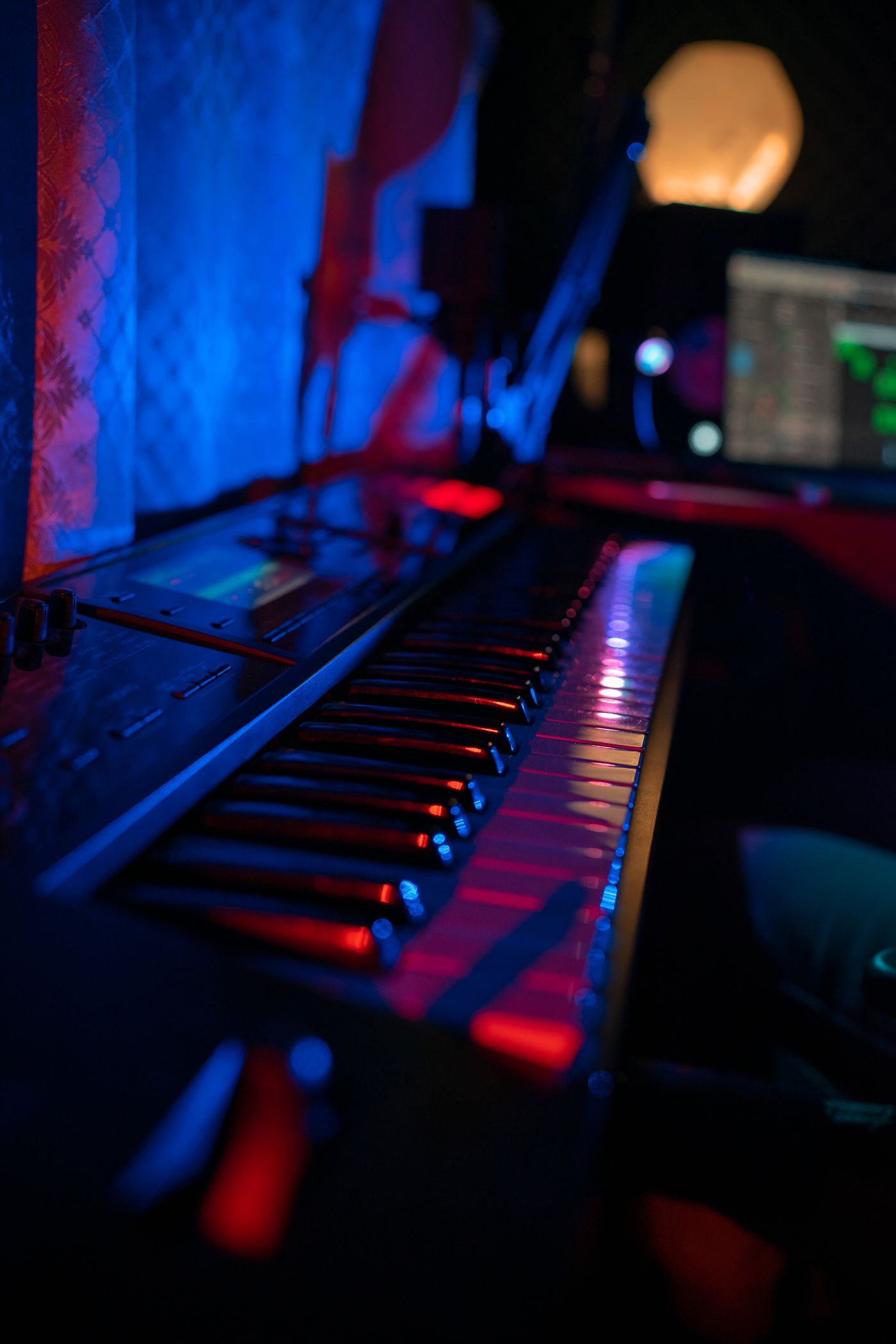
Melodic techno needs a relationship between the melody and the rhythm, not just a request for an emotional drop. Decide which synth phrase carries the track, how the bass moves around the kick and what changes when the main section returns. These ten prompts explore different ways to develop a short motif without losing the pulse. Start with one direction, listen for the balance of rhythm and melody, then change the part that needs attention.
Starting points in this collection
| Example tempo targets | 120 to 127 BPM |
|---|---|
| Original examples | 10 |
| Before making a recording | Choose the language and vocal or instrumental setting, then review the full brief. Tempo numbers are requests, not measured results. |
Prompts to copy and adapt
These are original directions to try, not recordings or verified performance results. Copy the sound description, then add your own story or lyrics. Use this idea carries the full selected brief into our main composer for review after sign-in.
A motif that opens gradually
Melodic techno, 124 BPM. Instrumental only. Start with a dry plucked synth playing a short minor-key figure above a firm kick and rounded bass pulses. Bring in closed hats once the figure is established, then gradually brighten the lead while keeping its notes recognisable. Strip back to the filtered motif and a quiet shaker for the break. Return the kick and bass together, let the lead answer itself in a higher register, and finish on drums with a short synth tail.
Low bass, high answering notes
Melodic techno, 122 BPM. Instrumental only. Use a low repeating bass phrase that leaves the kick attack audible, with a few bright synth notes answering it in the upper register. Keep the pad quiet and the snare accents restrained so the high notes have space. Remove the answering melody for a bass-led passage, then bring it back with a slightly longer ending phrase. Let the closing section reduce to the original bass pattern and dry percussion.
An intimate sung refrain
Melodic techno, 123 BPM. Place a close, softly sung refrain over a tight kick, a rolling bass figure and a muted synth arpeggio. Use original words about finding your way home, with short lines separated by instrumental replies. Keep the voice clear of the arpeggio instead of doubling it throughout. Let the break hold the final vocal phrase over a pad, then return the rhythm before the refrain enters again. End with an instrumental response to the hook.
Dry percussion, wide chords
Melodic techno, 125 BPM. Instrumental only. Build the rhythm from a compact kick, dry hats and a short rim accent, keeping the bass notes separated from the kick. Set a wide, slowly changing synth chord behind a narrow repeating lead figure. Pull the wide chord away for the middle passage so the dry groove becomes exposed. Restore the chord on the return without adding a second bass part, and close by removing the lead before the final drum phrase.
A restrained late-night pulse
Melodic techno, 120 BPM. Instrumental only. Use a restrained four-beat kick with soft offbeat hats, a low pulsing synth and a repeating two-note lead. Let a distant pad shift the harmony while the lead keeps returning to its original shape. Avoid oversized risers and constant cymbal crashes. Create the central contrast by thinning the bass and moving the lead farther back, then restore its dry attack. Finish with a sparse pulse rather than a dramatic final drop.
A bright melody over darker harmony
Melodic techno, 126 BPM. Instrumental only. Set a clear bell-like synth melody against a darker sustained pad, with a firm kick and a restrained rolling bass underneath. Keep the melody short enough to recognise when it repeats. Allow a quiet counterline only in the spaces at the ends of phrases. During the break, leave the pad and a filtered version of the hook. Bring the kick back before the bright lead returns, and let the last hook resolve before the rhythm stops.
Hand percussion around the sequence
Melodic techno, 121 BPM. Instrumental only. Keep an electronic kick and a round synth bass steady while dry hand percussion adds small syncopated accents around them. Use one repeating sequenced lead with a warm, slightly rough tone, not a stack of competing arpeggios. Thin the hand percussion when the lead becomes brighter so the arrangement stays legible. Carry a shaker through a short reduction, then return to the opening groove and finish with the percussion alone.
A rising register without a faster beat
Melodic techno, 124 BPM. Instrumental only. Anchor the track with an unchanged kick pattern and a repeating bass pulse. Introduce a low synth motif, then answer it an octave higher as the arrangement grows. Keep the underlying tempo steady and the hats controlled rather than making every layer busier. Let the upper phrase disappear during the break, leaving the low version as a reference. Restore the high answer once at the final return and close with the lower motif.
A drum-led entrance
Melodic techno, 127 BPM. Instrumental only. Begin with a punchy kick, closed hats and a small tom accent, then introduce a clipped bass figure before the lead. Let a short resonant synth phrase become the melodic focus only after the rhythm is clear. Keep the middle passage brief, using the tom accent to maintain momentum while the bass rests. Return to the full groove with the same melody in a brighter tone, then remove the pitched layers for a drum-led finish.
A single melodic peak
Melodic techno, 123 BPM. Instrumental only. Start with a muted arpeggio, a soft pad and a steady kick, holding back the main lead. Add bass movement and light percussion in separate stages rather than introducing everything at once. Allow the arpeggio to remain audible through a short break. Bring in a sustained answering lead for the final full section, leaving gaps for the original pattern. Resolve that lead before the closing kick and bass phrase so the ending feels deliberate.
Keep the words and sound separate
In Words into Music, put the words you want sung in the lyrics field and describe instruments and delivery in the sound direction. The music prompt generator helps you prepare that direction before making a song.
For Suno, Custom mode keeps your lyrics separate from the style request. Use the same sound description as a starting point, then adjust it for each tool.
Give the melody room to develop
Choose one recognisable figure: a few plucked notes, a repeating arpeggio or a sustained lead with a simple answer. Describe how it changes across the track, such as opening the filter, shifting its register or leaving more space between phrases. A second melody should answer the first rather than play continuously over it. If a result feels crowded, remove a lead layer before asking for a bigger mix. For a softer rhythmic starting point, explore the related melodic house collection.
Build tension without losing the groove
A breakdown works best when it has a job. Say which elements leave, what keeps time and how the kick returns. A filtered arpeggio with a quiet percussion pulse can maintain the thread while the bass drops out. The return can feel larger through contrast rather than a new tempo or several extra melodies. Treat the BPM and arrangement as creative directions to evaluate in the result, rather than promises of an exact bar count or a finished DJ edit.
Common mistakes and useful revisions
| What to listen for | What to change in the prompt |
|---|---|
| Every synth plays a different melody at once | Keep one lead motif and ask the pad or second synth to leave gaps around it. |
| The breakdown feels disconnected from the main groove | Carry a filtered version of the motif through the break and return the kick before adding new layers. |
Frequently asked questions
What should a melodic techno prompt include?
Name the style, a tempo, the kick and bass relationship, and one melodic idea. Add a clear change for the breakdown or return. For example, ask a plucked synth figure to become brighter while the rhythm stays steady. More adjectives will not necessarily create a clearer arrangement.
How is this different from a melodic house prompt?
The styles overlap. For a techno-leaning result, ask for a firmer repeating kick, a persistent bass figure and a slowly developing synth motif. For a house-leaning result, try a more relaxed swing, warmer chord movement or a vocal-led hook. Describe the sound you want rather than treating the labels as strict rules.
Can I include a vocal in melodic techno?
Yes. Specify a short sung phrase, a recurring chant or a fuller vocal part, and say where it should leave room for the lead. Keep the instrumental setting off for those examples. If you want no voice at all, select an instrumental prompt and avoid requesting vocal textures.