Gospel covers more than one tempo, vocal texture or arrangement. A useful prompt tells the generator whether the lead, the choir or an instrument carries the main phrase, then explains how the other parts answer it. These ten examples explore intimate ballads, lively grooves, small vocal groups and instrumental settings. Choose the relationship between the parts first. Use original words or a newly written melody rather than asking for a recognisable choir performance or an existing gospel song.
Starting points in this collection
| Example tempo targets | 66 to 112 BPM |
|---|---|
| Original examples | 10 |
| Before making a recording | Choose the language and vocal or instrumental setting, then review the full brief. Tempo numbers are requests, not measured results. |
Prompts to copy and adapt
These are original directions to try, not recordings or verified performance results. Copy the sound description, then add your own story or lyrics. Use this idea carries the full selected brief into our main composer for review after sign-in.
A lead phrase and choir reply
Gospel, 92 BPM. Use a warm solo lead singing original words about gratitude, followed by a small choir answering the end of each phrase. Support the exchange with steady piano chords, a rounded bass line and a restrained snare. Keep organ fills short and place them after the choir reply rather than underneath every word. Let the middle passage reduce to lead and piano before the group returns, then close with one shared refrain and a resolved chord.
A close piano-led ballad
Gospel, 66 BPM. Begin with a gently played piano and a close, expressive lead voice using original words about finding strength in difficult times. Let a soft bass line and brushed drums enter after the first verse. Add a small backing harmony only at the ends of the chorus lines, leaving the lead clear. Keep the final verse quieter instead of adding a large choir crescendo. End with the main refrain sung once over piano and a brief resolving answer.
A joyful clap-driven chorus
Gospel, 112 BPM. Use a steady handclap pattern with piano, warm bass and short organ accents, keeping the drum groove clear beneath them. Write original words of celebration with a brief refrain that the lead and choir can trade. Let the bass move more freely between vocal phrases but simplify it when the group sings together. Reduce to claps and one lead line before the last chorus, then restore the band and finish with a clear shared ending.
An organ-led instrumental
Gospel, 88 BPM. Instrumental only. Let a warm electric organ carry a simple melodic phrase over restrained piano chords, rounded bass and a light drum groove. Keep the organ line clear rather than filling every gap with a flourish. Do not add a choir, humming or any vocal layer. Leave a piano-led middle passage as a contrast, then return to the original organ melody with a slightly fuller harmony. Finish by resolving the melody over one sustained keyboard chord.
A small group in close harmony
Gospel, 76 BPM. Use a small group singing an original refrain about hope, with one lead introducing each verse and the group joining in close harmony at the chorus. Support them with quiet piano and a simple bass line, leaving the drums restrained. Keep the melody recognisable across its repetitions instead of adding a different run to every line. Let the last verse begin with the lead alone, then bring the group back for one settled final refrain.
A gentle swaying rhythm
Gospel, 84 BPM. Set a gently swaying triplet pulse beneath piano chords, warm bass and a clear lead voice. Write original lyrics about comfort and renewal, allowing longer notes at the ends of the chorus phrases. Let a small choir answer only those final words while the organ sustains a quiet harmony. Keep drum fills away from the vocal answers. Reduce the accompaniment before the final refrain, then end with the voices together over a resolved piano chord.
Piano answers the rhythm section
Gospel, 104 BPM. Instrumental only. Place a bright piano motif over a firm bass-and-drum groove, with light handclaps adding a steady accent. Let the piano leave room for a short bass response instead of playing continuous runs. Keep the organ as a quiet harmonic support and include no voice or choir texture. Reduce to piano and claps for a brief middle passage, then restore the rhythm section under the opening motif. End with a short piano answer and a clean band stop.
A fuller final refrain without changing key
Gospel, 96 BPM. Use an expressive lead singing original words about renewed purpose over piano, bass and a restrained drum pattern. Start the first chorus with a small backing group, saving fuller choir harmony for the final return. Keep the key and main melody steady so the added voices provide the lift. Let the organ answer in the gaps rather than competing with the choir. Finish by reducing the band under the last repeated phrase and resolving together.
A choir entrance after a quiet verse
Gospel, 72 BPM. Begin with a solo lead and simple piano chords, using original words about receiving grace after a difficult journey. Keep the first verse intimate and let the choir enter only when the chorus begins. Add warm bass and light drums underneath the shared refrain while leaving the lead audible. Return to a quieter voice-and-piano passage before the final group entrance. End with a held choir harmony that resolves naturally with the piano.
A restrained key-change request
Gospel, 98 BPM. Build a clear lead-and-choir exchange over piano, a warm organ pad and a steady rhythm section. Use original lyrics about gratitude and a simple repeated refrain. Before the final chorus, reduce the band and request a small upward key change while keeping the same vocal melody shape. Let the choir support the lead rather than adding a competing line. Finish with a resolved shared phrase, avoiding an extended chain of additional modulations.
Keep the words and sound separate
In Words into Music, put the words you want sung in the lyrics field and describe instruments and delivery in the sound direction. The music prompt generator helps you prepare that direction before making a song.
For Suno, Custom mode keeps your lyrics separate from the style request. Use the same sound description as a starting point, then adjust it for each tool.
Give the lead and choir separate space
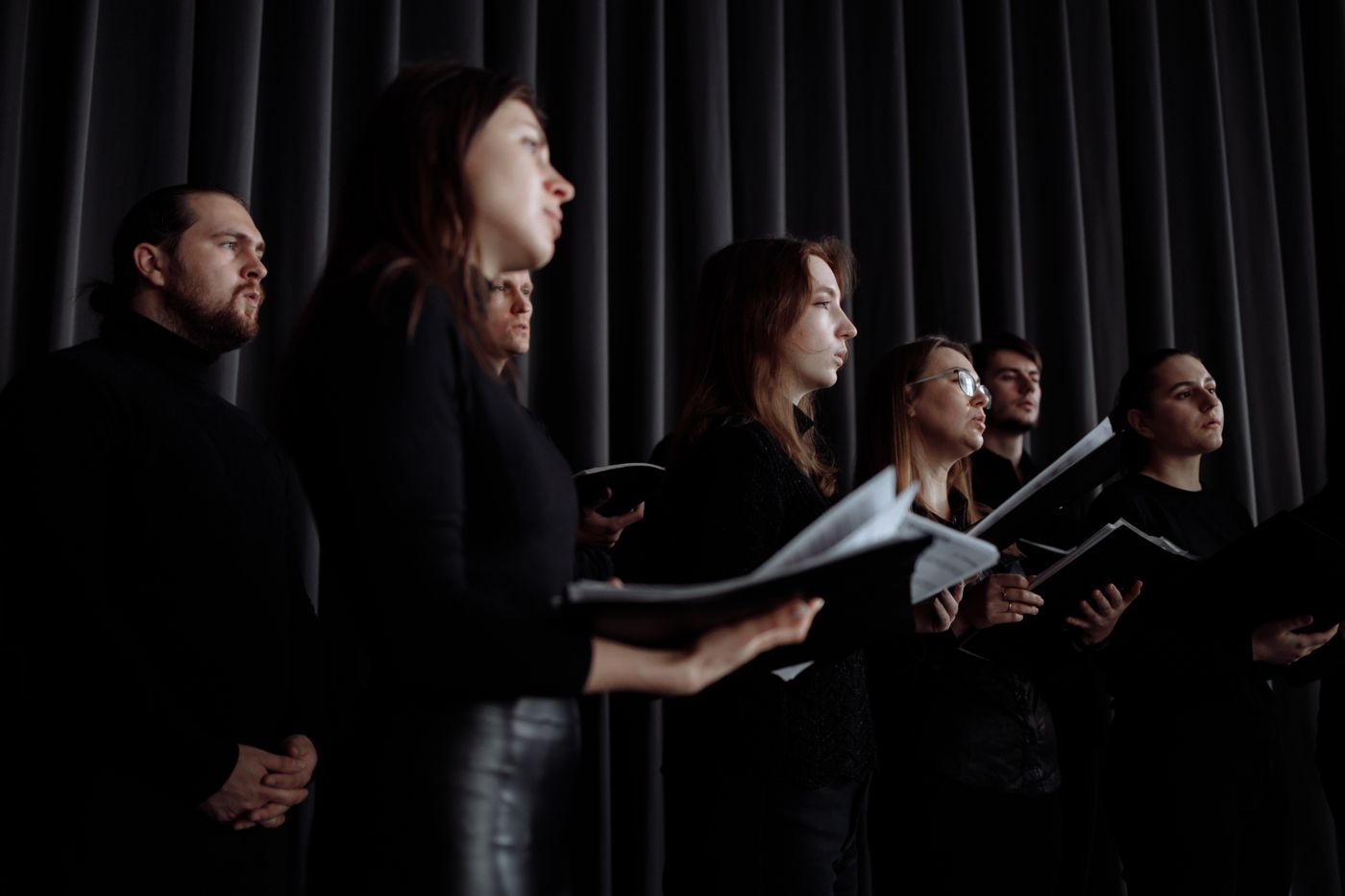
A choir can answer a lead phrase, hold a harmony underneath it or introduce the main refrain. Choose one of those roles before asking for more voices. In call-and-response, leave a clear pause for the answer instead of putting a full choir line over every lead syllable. A small group can provide a useful contrast to a solo voice without requiring a huge ensemble. Listen for whether the words remain intelligible when the backing vocals enter.
Choose the groove before adding a final lift
A slow piano ballad, a swaying organ-led arrangement and a brisk clap-driven song need different bass and drum instructions. Decide which rhythmic feel supports the melody, then keep keyboard fills out of the busiest vocal moments. A final chorus can lift through a fuller harmony, a higher answer or a changed key, but none is mandatory. If you request a key change, keep the instruction simple and listen to whether the transition works rather than assuming the generator will execute an exact modulation.
Common mistakes and useful revisions
| What to listen for | What to change in the prompt |
|---|---|
| The choir and lead sing separate lines over each other throughout | Assign the lead a phrase and leave a gap for the choir answer, or ask the choir to hold a simpler supporting harmony. |
| The organ and piano fills cover every vocal pause | Choose one main keyboard part and save its short fills for the spaces after the choir response. |
Frequently asked questions
What should I write for a gospel call-and-response arrangement?
Say who introduces the phrase and who answers it. For example, a solo lead can sing a short line followed by a small choir reply. Ask the instruments to leave room around that exchange. Keep the actual words in the lyrics field if you want a particular original refrain.
Does a gospel prompt need an organ or a key change?
No. Those are possible choices, not rules for every gospel song. Piano, guitar, a vocal group or a restrained rhythm section can also carry the arrangement. Choose a final lift only if it supports the song, and evaluate any requested key change in the recording.
Can a gospel instrumental still have a choir sound?
A choir or wordless vocal layer is still a vocal part. If you want that texture, keep the instrumental setting off and describe it clearly. For an entirely voice-free piece, choose an instrumental example and let piano, organ or another instrument carry the melody.