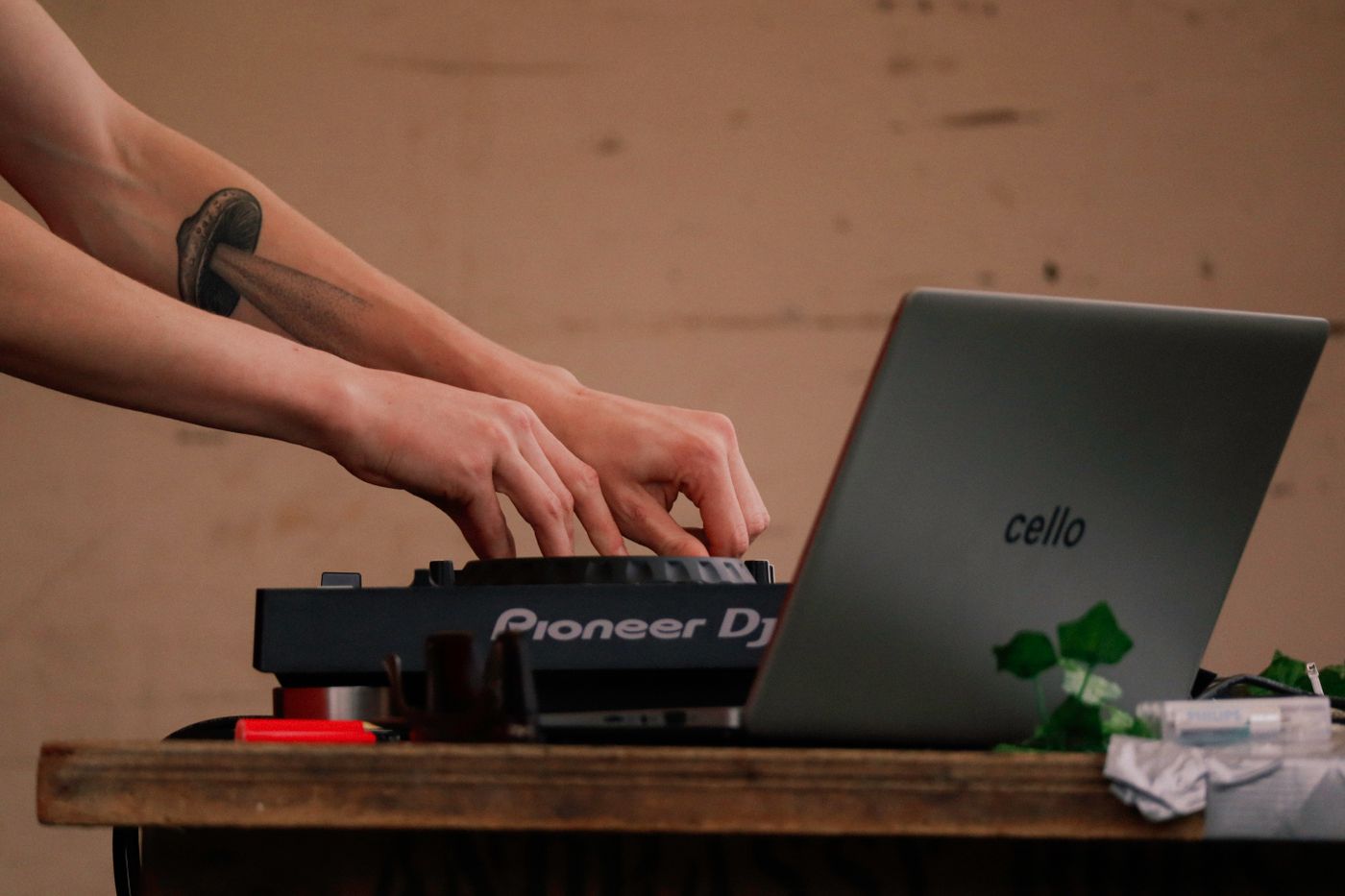
EDM is a broad starting point rather than a complete sound description. Choose a rhythmic setting and one main lead, then explain what changes when the next section arrives. A wide festival chord drop, a clipped electro-bass hook and a half-time future-bass song need different instructions. The examples here focus on those contrasts, with separate vocal and instrumental choices. Use the dedicated house, techno, trance and dubstep collections when one of those styles is already the precise sound you want.
Starting points in this collection
| Example tempo targets | 100 to 150 BPM |
|---|---|
| Original examples | 10 |
| Before making a recording | Choose the language and vocal or instrumental setting, then review the full brief. Tempo numbers are requests, not measured results. |
Prompts to copy and adapt
These are original directions to try, not recordings or verified performance results. Copy the sound description, then add your own story or lyrics. Use this idea carries the full selected brief into our main composer for review after sign-in.
A wide festival lead after a narrow build
Festival EDM, 128 BPM. Instrumental only. Establish a short wide synth melody over a firm four-beat kick and a compact bass pulse. For the build, narrow the lead tone and remove the bass while a restrained snare pattern becomes closer together. Bring kick and bass back under the full opening melody instead of introducing an unrelated new hook. Keep cymbal crashes brief so the first lead notes remain audible. Close with a shortened final hook. No vocal chops, chants or choir.
A half-time future-bass vocal hook
Future bass, 150 BPM with a half-time drum feel. Put the main snare accent on beat three of each four-beat bar and keep the bass notes short. Let a close singer introduce an original short refrain over soft keys. When the wider synth chords enter, place small original vocal chops only between complete sung phrases. Keep the written tempo unchanged through the contrast. End with the full refrain over simpler chords rather than an additional chopped-vocal loop.
A clipped electro-bass hook
Electro-house EDM, 126 BPM. Instrumental only. Use a clipped, slightly rough mono-synth bass phrase above a dry four-beat kick and a tight clap. Keep the upper synth to one short chord accent rather than a second lead. A short filtered bass passage can expose the rhythm before the full hook returns. Leave clear rests at the end of the bass figure, with only a light hat carrying those gaps. Finish on a clean bass-and-kick stop. Exclude voices and choir.
A sung electronic-pop chorus
Electronic dance pop, 124 BPM. Set a clear solo singer over a rounded kick, warm synth bass and short piano chords. Let the verse melody use clipped syllables, then open the chorus into longer sung notes. Keep the bright plucked synth hook between vocal lines instead of doubling every word. A brief piano-and-voice passage can reset the texture before the last chorus. Resolve the final sung phrase over a sustained chord and let the drums stop underneath it.
A slower dark electronic groove
Midtempo electronic dance music, 100 BPM. Instrumental only. Pair a firm sparse kick-and-snare pattern with a low, rough-edged synth phrase that leaves a rest after its final note. Let a clean high pluck supply a contrasting two-note accent. Avoid constant risers or a second distorted bass layer. Create the main change by dropping the pluck and shortening the bass notes, then restore their original length. End with one dry synth phrase. No voice, vocal chops, humming or choir.
A short lead over a main-stage kick
Main-stage EDM, 130 BPM. Instrumental only. Build a punchy four-beat kick and a short offbeat bass under a bright three-note synth hook. Keep the lead attacks distinct rather than holding a wide chord through every beat. Let a rising noise texture appear only before the first full hook return, then remove it. Give the middle passage a dry percussion focus with the bass still marking the groove. Finish with the three-note figure and a firm resolved hit. No voices or chants.
A relaxed plucked melody and solo voice
Melodic electronic dance pop, 108 BPM. Use a soft kick, rounded bass and a short marimba-like synth phrase with a clean attack. Let a close solo singer deliver an original verse while the plucked melody rests. Bring that melody forward between chorus lines, with light guitar-shaped synth chords underneath. Keep percussion relaxed and avoid a sudden aggressive drop. End with the completed vocal refrain, then a single quiet version of the plucked phrase.
A broken drum pattern around a chord hook
Breakbeat EDM, 132 BPM. Instrumental only. Place a clean syncopated kick-and-snare pattern beneath a short bright synth-chord hook, leaving space for a low bass note after the snare. Keep the hats light enough that the broken rhythm remains clear. A brief reduction to drums and one held chord can set up the next hook without a long beatless build. Return with the same bass notes and a tighter chord attack, then end on a coordinated stop. No vocals or choir.
A plucked lead with a restrained return
Melodic EDM, 122 BPM. Instrumental only. Start with a dry plucked-synth phrase over a steady kick and a quiet repeated bass note. Move the same phrase into a higher register while the bass stays low, then let a warm held chord support its return. Keep the rhythm continuous through the contrast instead of stopping for a large riser. Remove the upper phrase for the final section and let the lower version resolve. Exclude voices, humming and vocal-like pads.
Two singers before a simple chord drop
Vocal EDM duet, 120 BPM. Give two singers separate short verse passages over soft keys and a restrained kick. Let them join the original refrain in simple harmony while the bass and wide synth chords enter underneath. Keep the lead synth out of their register and use only a brief instrumental chord hook after the complete chorus. Return to solo lines for the next verse, then finish with the shared refrain over simpler keyboard chords. Avoid overlapping unrelated vocal lines.
Keep the words and sound separate
In Words into Music, put the words you want sung in the lyrics field and describe instruments and delivery in the sound direction. The music prompt generator helps you prepare that direction before making a song.
For Suno, Custom mode keeps your lyrics separate from the style request. Use the same sound description as a starting point, then adjust it for each tool.
Give the build and the drop different musical material
A useful build changes a specific part, such as a narrowing drum pattern, a rising synth register or a filtered version of the hook. The drop then needs something to return or enter: the kick, bass and main phrase should have clear roles. Asking every layer to get louder can hide that contrast. Describe one transition and keep the main motif recognizable across it. You can also choose a steadier track without a large build; a festival-style rise is not a requirement for every electronic dance arrangement.
Separate vocal chops, sung hooks and instrumental leads
Vocal chops are still voices. If you want an instrumental track, exclude chopped syllables, chants, speech and choir as well as a lead singer. For a sung hook, give the voice a complete original phrase and reduce the lead synth while the words are active. Tempo and a half-time drum feel are separate choices, so a 150 BPM future-bass request does not need to change its written tempo to sound slower. Use the other prompt collections to narrow the style before adding more production adjectives.
Common mistakes and useful revisions
| What to listen for | What to change in the prompt |
|---|---|
| The build gets louder but the drop has no clear musical hook | Choose a short lead or bass phrase for the drop, then describe which rhythm parts return with it. |
| An instrumental request also asks for vocal chops and a crowd chant | Choose a pitched synth or plucked instrument as the hook and explicitly exclude all vocal layers. |
Frequently asked questions
What should I put in an EDM prompt besides the genre name?
Specify a rhythmic setting, a tempo target, the main lead or bass sound and the contrast you want between sections. Choose whether the hook is sung, chopped or instrumental. Those decisions give a clearer direction than a long list of quality adjectives.
Can an instrumental EDM track include vocal chops?
Vocal chops use vocal sounds, even when they do not form full words. If you want no voices, ask for a synth or instrument hook and exclude chops, chants, speech and choir. Use the vocal setting when chopped syllables are actually part of the idea.
Should I use this page or a dedicated house, techno or dubstep collection?
Use a dedicated collection when that style is already your goal. This page helps compare broader EDM choices such as a festival lead, a bass-led drop or a sung electronic-pop hook. Keep one main style before combining a secondary texture.