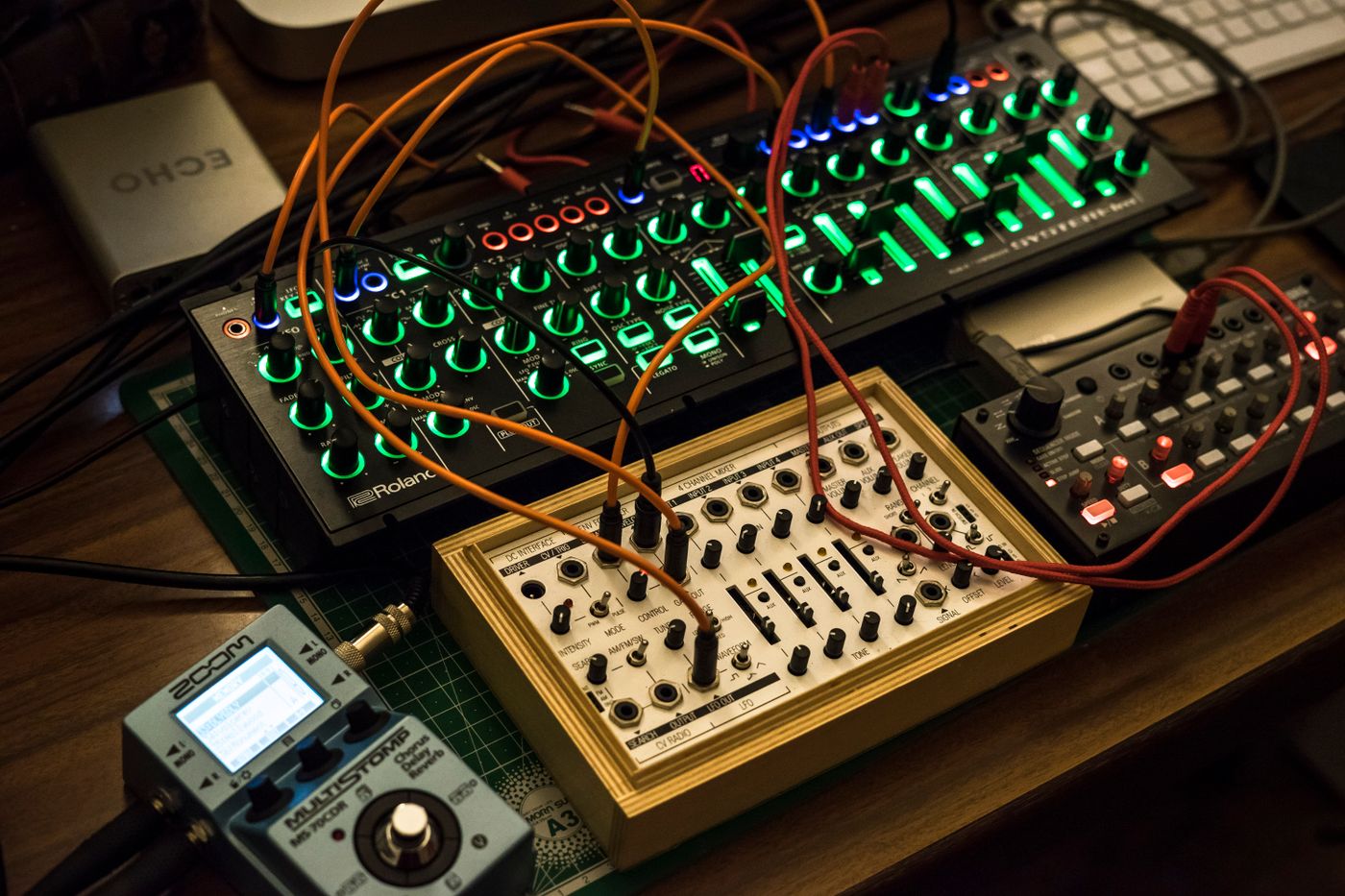
A low log-drum phrase has both pitch and rhythm. Give it room to answer the keys rather than placing a second busy bass under it. These amapiano prompts explore different balances of piano, shaker movement and vocal phrases. The tempos are example targets, not a definition of the whole genre.
Starting points in this collection
| Example tempo targets | 108 to 115 BPM |
|---|---|
| Original examples | 10 |
| Before making a recording | Choose the language and vocal or instrumental setting, then review the full brief. Tempo numbers are requests, not measured results. |
Prompts to copy and adapt
These are original directions to try, not recordings or verified performance results. Copy the sound description, then add your own story or lyrics. Use this idea carries the full selected brief into our main composer for review after sign-in.
Piano after the crowd
Amapiano, 112 BPM. Instrumental only. Spacious piano chords and a soft shaker pattern. A pitched low log-drum phrase answers the end of each chord sequence. Keep the midrange sparse and let the piano close alone. Give the main motif a clear foreground position, with answering phrases in the spaces between its statements. Keep the lower register uncluttered, and let changes in accompaniment mark the sections without adding a competing lead melody.
The extra chair
Amapiano, 110 BPM. Warm keys, light shakers and short log-drum bass answers. Use an inviting lead with an original refrain; leave empty beats after the last word. Keep backing voices minimal. Leave a short breath after each complete lyric phrase, and put instrumental replies in those gaps. Keep the lead clear when the accompaniment fills out; let the bass support the harmony without following every vocal note.
Low notes in conversation
Amapiano, 114 BPM. Instrumental only. Two alternating log-drum bass phrases below a thin electric-piano figure. Keep the kick soft and the upper percussion light. Change the piano voicing once, then return to the first low phrase. Give the main motif a clear foreground position, with answering phrases in the spaces between its statements. Keep the lower register uncluttered, and let changes in accompaniment mark the sections without adding a competing lead melody.
Early arrival
Amapiano, 111 BPM. A brief piano opening, restrained shakers and a lead vocal entering early. Let the log-drum part answer the chorus instead of playing continuously under the singer. Leave a short breath after each complete lyric phrase, and put instrumental replies in those gaps. Keep the lead clear when the accompaniment fills out; let the bass support the harmony without following every vocal note.
Empty balcony
Amapiano, 108 BPM. Instrumental only. Wide soft chords, a quiet repeating rim accent and a descending log-drum bass phrase. Leave long spaces between melodic notes. Bring in a brighter shaker only near the final return. Give the main motif a clear foreground position, with answering phrases in the spaces between its statements. Keep the lower register uncluttered, and let changes in accompaniment mark the sections without adding a competing lead melody.
Same table tomorrow
Amapiano, 113 BPM. Dry piano stabs, gentle hand percussion and a low pitched drum groove. A relaxed lead repeats a short original promise in the chorus; keep the verses light and conversational. Leave a short breath after each complete lyric phrase, and put instrumental replies in those gaps. Keep the lead clear when the accompaniment fills out; let the bass support the harmony without following every vocal note.
Small steps outside
Amapiano, 115 BPM. Instrumental only. A rising keyboard figure over shuffled shakers and rounded log-drum notes. Keep each bass phrase short. Thin the arrangement in the middle without adding an orchestral breakdown. Give the main motif a clear foreground position, with answering phrases in the spaces between its statements. Keep the lower register uncluttered, and let changes in accompaniment mark the sections without adding a competing lead melody.
The long greeting
Amapiano, 109 BPM. Soft electric piano, a restrained low drum melody and airy upper percussion. Use a warm mid-register lead with a brief backing-vocal response. Finish with the low phrase and a held chord. Leave a short breath after each complete lyric phrase, and put instrumental replies in those gaps. Keep the lead clear when the accompaniment fills out; let the bass support the harmony without following every vocal note.
Piano after the crowd: Answering phrases
Amapiano, 112 BPM. Instrumental only. Spacious piano chords and a soft shaker pattern. Build the arrangement around a question-and-answer pattern. State one short lead phrase, leave space for an instrumental reply, then repeat the exchange with a different ending. Let the middle section thin to the main accompaniment before the full texture returns. Keep the final answer shorter than the earlier ones and resolve it clearly.
Low notes in conversation: A different harmony
Amapiano, 114 BPM. Instrumental only. Two alternating log-drum bass phrases below a thin electric-piano figure. Keep the main phrase recognizable through three passes. Start with a narrow accompaniment, change the chord underneath the phrase on its second appearance, then return to the first harmony with a small answering line above it. Keep the underlying pulse steady through the changes. Finish by removing that answering line, leaving the original phrase exposed.
Keep the words and sound separate
In Words into Music, put the words you want sung in the lyrics field and describe instruments and delivery in the sound direction. The music prompt generator helps you prepare that direction before making a song.
For Suno, Custom mode keeps your lyrics separate from the style request. Use the same sound description as a starting point, then adjust it for each tool.
Treat the low end as a phrase
Say where the pitched low notes enter and where they stop. A log-drum answer after a piano chord can be clearer than continuous low movement under every chord. If the bass becomes muddy, simplify the phrase and ask for a less dense keyboard part before adding another low instrument.
Build the percussion without rushing the song
Light shakers can keep motion above a relaxed groove. Describe a sparse first section, then add a counter-pattern when the hook returns. Long DJ-style development is a different goal from a short vocal song, so ask for an early vocal entrance when the words matter.
Common mistakes and useful revisions
| What to listen for | What to change in the prompt |
|---|---|
| The low end contains two competing bass lines | Let the log-drum part carry the low pitched answer and remove the extra bass. |
| The singer arrives too late | Request a short opening and a vocal entrance in the first main section. |
Frequently asked questions
What should I say about the log drum?
Describe it as a pitched low percussive bass sound and give it a rhythmic role. Naming the sound alone leaves the model to decide how busy it should be.
Is amapiano the same as Afro house?
They are distinct styles with some overlapping instruments and dance contexts. This collection focuses on log-drum bass and spacious keys; the Afro house collection starts with a firmer four-beat kick.
How do I leave room for the log-drum bass in amapiano?
Keep piano chords short and ask other low instruments to stay sparse. Place extra melodic fills between bass phrases rather than over every log-drum note.